Phone :
+ 86 018059983973Fax :
+86-595-22515221Email :
sales3@gester-instruments.comAdd :
No.15, Chifeng Road, Licheng Region, Quanzhou city of Fujian PR,China.Different Types of Transport packaging testing machines:
How to Choose the Best for Your Projects?
Transport packaging testing machines are essential lab instruments for verifying packaging safety during global logistics and shipment. They cover multiple simulation test scenarios to replicate vibration, drop impact, compression, clamping and incline collision damages packages encounter in transit. In this article, you’ll learn the various types, their core functions, applicable industry test standards, machine performance grades, daily maintenance tips, and how to select a tester matching your packaging project demands. Please continue reading to gain full professional understanding.

What are the Types of Transport Packaging Testers?
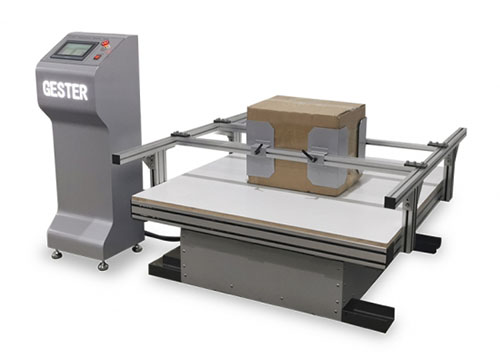
Standards: ISO 2248, JIS Z0202, GB / T4857.5, ISTA
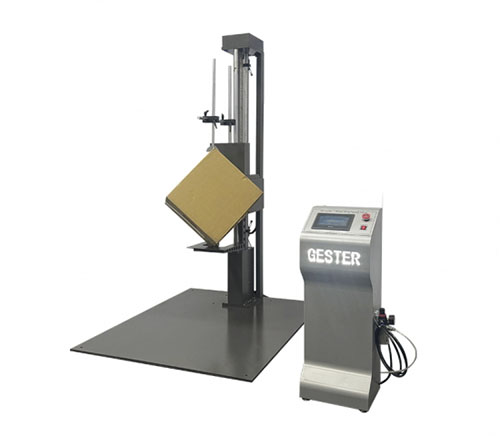
Zero Height Drop Tester GT-LC06
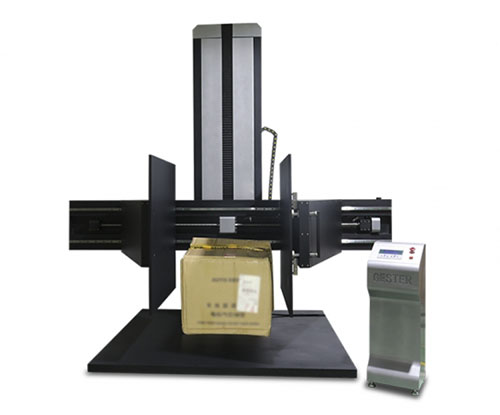
This specialized drop tester targets low-height collision scenarios that standard free-fall drop equipment cannot replicate.
The drop tester is mainly used to evaluate the influence of the package in the actual transportation, the loading and unloading process, and to evaluate the impact strength and the rationality of packaging design.
It simulates light bump collisions during pallet stacking, manual cargo moving and low-drop cargo transfer links. Enterprises can use this machine to find hidden structural weak points of packaging that only appear under short-distance impact force, helping optimize buffer material layout and carton folding structure without extra high-height drop test cycles.
Standards: ISTA
What Test Standard Grades Do You Need for Your Packaging?
ISTA Series Standards
ISTA standards are the most universal cross-border logistics packaging test grades, covering complete vibration, drop, compression and combined transit hazard simulation. Multiple ISTA test levels correspond to light retail packages, heavy industrial cargo and full container load shipments, suitable for all export-oriented product packaging verification.
ASTM Packaging Test Standards
ASTM grades are mainstream North American market certification standards, including vibration (ASTM D999), compression (ASTM D642) and incline impact (ASTM D880) test specifications. Brands selling goods into US and Canadian markets must conduct tests following corresponding ASTM grade parameters to meet local retail logistics compliance rules.
ISO Packaging Mechanical Test Standards
ISO international standards deliver unified global mechanical testing benchmarks for drop (ISO 2248) and carton compression (ISO 2872, ISO 12048). ISO grade test reports gain mutual recognition across most European, Asian and Oceanian countries for import and export customs clearance.
JIS National Test Standards
JIS Z0202 drop test grades apply to Japanese market import packaging compliance testing, specifying unique drop height and impact acceptance thresholds matching Japan’s domestic logistics loading/unloading operating norms.
GB/T Domestic Packaging Standards
GB / T4857.5 drop test standards are mandatory domestic Chinese packaging inspection grades for domestic circulation and inland shipping goods, required for factory quality control and domestic retail product packaging audit.
EN ISO European Packaging Standards
EN ISO 16047 clamping force test grades are dedicated EU market certification specifications, regulating mechanical clamping damage testing for goods transported by European automated forklift and clamp delivery vehicles.
How to Choose the Right Transport Packaging Testing Machine
There are multiple types of transport packaging testing machines, and it is critical to select the proper tester fully aligned with your packaging project’s testing goals.
Know the testing requirements of your packaging project
Start by clarifying your core test demands. Key factors to evaluate include logistics transit environment (ocean freight, land trucking, air cargo), maximum packaging size and weight, target export market certification standards, and main damage risks (vibration breakage, drop cracking, stacking collapse, clamping deformation). All these factors jointly determine which testing machine types and standard grades you need to purchase.
Master the functional differences of each Transport Packaging Tester type
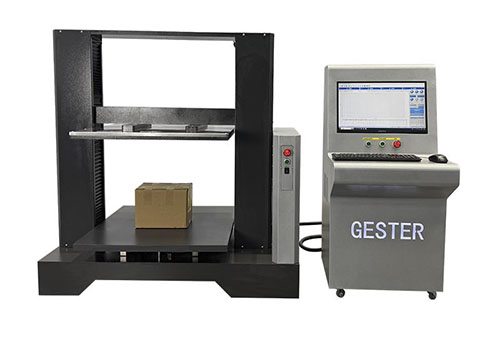
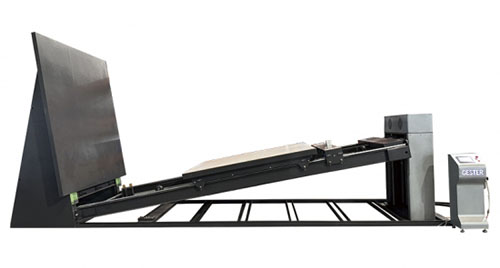
You must learn the unique application focus of every packaging tester model. For example, vibration testing machines are universal baseline equipment for all transit packaging; single-arm drop testers fit most regular carton impact testing; specialized zero-height and large-format drop testers solve niche low-bump and oversized cargo test demands. Compression, incline impact and clamping force testers cover separate warehouse stacking, sliding collision and mechanical squeezing hazard simulation. Distinguishing each machine’s core function eliminates unnecessary redundant equipment investment.
Assess test load range and impact strength capacity
Each testing machine carries fixed maximum load, vibration force, drop height and compression force limits. Evaluate your largest packaging specimen weight, required impact energy and compression bearing threshold to pick equipment with sufficient performance margin, preventing overloading damage to the tester and incomplete packaging stress simulation.
Consider test material and packaging size compatibility
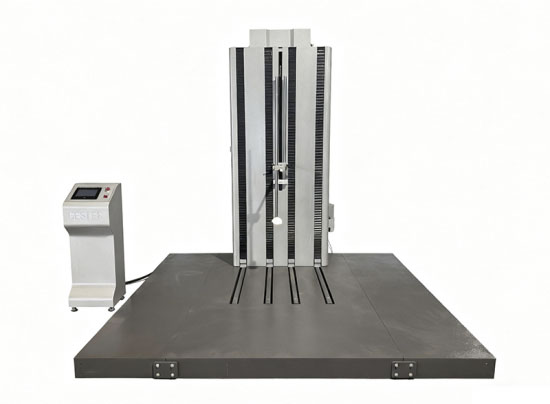
Check the machine’s fixture adjustment range, internal test space and platform bearing area. If you test extra-large furniture cartons, the dual-beam large drop tester is necessary; small consumer electronic packaging only needs compact single-arm drop and bench-top vibration testers. Confirm compatibility with corrugated boxes, plastic crates, foam buffer packaging and finished consumer goods before final selection.
Evaluate routine maintenance and calibration requirements
Maintenance cycles differ widely across testing machine categories.
Conduct pre-purchase sample test validation
Test accuracy and fixture compatibility directly impact report validity. Send your representative packaging samples to the equipment manufacturer for trial testing under simulated standard operating conditions. The trial run lets you observe the machine’s stability, data repeatability and operation convenience before signing purchase contracts.
Consult the professional packaging testing equipment manufacturers
Reach out to GESTER and other professional packaging test instrument engineers to receive customized selection recommendations. Industry specialists can match machine models, standard grades and fixture accessories according to your product categories, export markets and annual test volume, helping you avoid over-spec or under-spec equipment procurement mistakes.
Conclusion
Transport packaging testing machines cover a complete series of vibration, drop, compression, incline impact and clamping force simulation models, each designed to resolve distinct logistics packaging damage testing demands.
FAQ
What are the Main Application Scenarios of Transport Packaging Testers?
Transport packaging testing machines support quality control and R&D for nearly all physical goods relying on logistics delivery. Their accurate simulation of transit vibration, drop, stacking, sliding and clamping damage makes them indispensable tools.
What are the Core Maintenance Tips for Packaging Testing Equipment?
Consistent standardized maintenance extends testing machine service life and guarantees stable, accurate test data. You must calibrate force and vibration sensors at fixed intervals, lubricate all guide rails, lifting beams and transmission motors regularly, inspect fixtures for deformation and wear before each test, keep the test platform clean from packaging debris, and align drop and compression test axes to avoid biased force output during operation.
Phone :
+ 86 018059983973Fax :
+86-595-22515221Email :
sales3@gester-instruments.comAdd :
No.15, Chifeng Road, Licheng Region, Quanzhou city of Fujian PR,China.Please read on, stay posted, subscribe, and we welcome you to tell us what you think.
Friendly Links :
Copyright © 2010-2026 GESTER International Co.,Ltd.All Rights Reserved. Powered by https://www.gestertester.com.